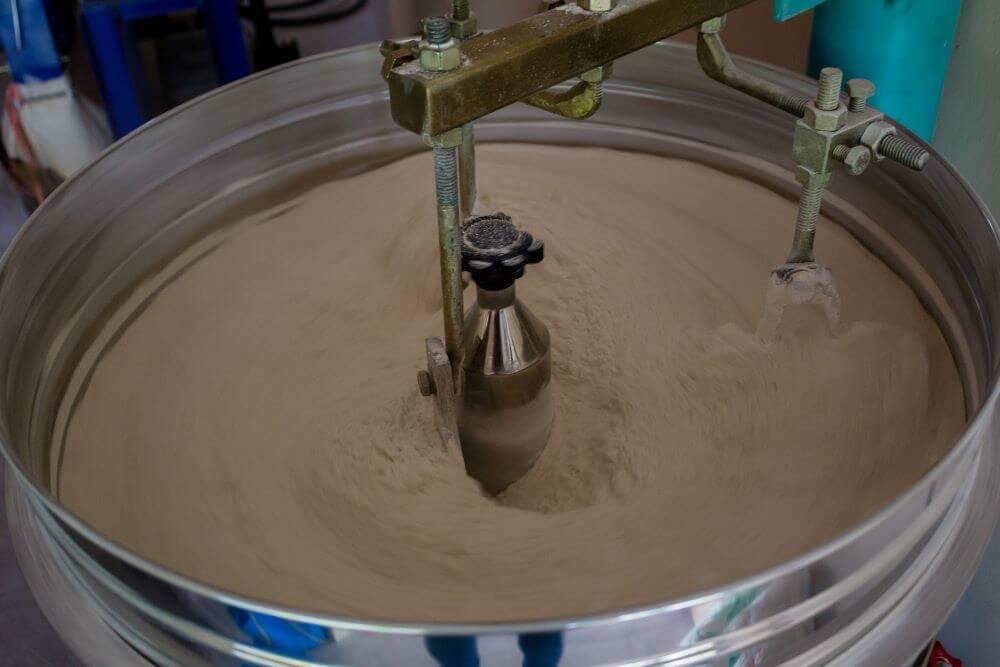
Powder characteristics influence numerous manufacturing operations, from material transportation and blending to compression, filling and packaging. Even when a powder meets its chemical composition requirements, variations in physical characteristics can create difficulties during subsequent processing stages. Particle size distribution and flowability are particularly important because they influence how particulate materials move, combine and interact with production equipment. Manufacturers evaluating powder processing technologies from specialists such as Quadro MPT should consider how milling and material conditioning influence the wider manufacturing process. Establishing suitable powder characteristics can help businesses achieve more predictable downstream performance, reduce unnecessary processing adjustments and maintain consistent product quality. However, the appropriate material properties depend on the specific formulation, equipment and finished product requirements.
Understanding Powder Flowability
Powder flowability describes how readily particulate materials move under particular conditions. Unlike liquids, powders can behave differently depending on factors such as particle size, shape, surface characteristics, moisture content and mechanical loading. Some powders move relatively freely through storage containers and processing equipment, while others may form cohesive structures or resist movement. Flowability is therefore not a single fixed property that remains identical across every manufacturing environment. A powder that behaves satisfactorily during one operation may create difficulties in another. Manufacturers should evaluate material flow under conditions that are representative of the intended production process.
What Is Particle Size Distribution?
Particle size distribution describes the range of particle sizes present within a material and their relative proportions. Most industrial powders contain particles of different sizes rather than consisting entirely of uniform particles. The distribution may be relatively narrow or include substantial quantities of both fine and coarse material. These characteristics can influence powder packing, segregation, blending and flow behaviour. Manufacturers typically establish particle size specifications based on product requirements and downstream operations. A consistent distribution is often more important than simply achieving a smaller average particle size.
The Relationship Between Particle Size and Flowability
Particle size influences several physical interactions that determine powder flow behaviour. Fine particles may experience relatively stronger cohesive interactions compared with their individual weight, potentially making them more difficult to move under certain conditions. Larger particles may flow more freely in some applications, although particle shape, moisture and surface properties can significantly influence the outcome. Powders containing a combination of different particle sizes may also exhibit complex behaviour as smaller particles occupy spaces between larger ones. Manufacturers should avoid treating particle size alone as a reliable predictor of flowability and instead evaluate the complete range of relevant material properties.
How Particle Shape Influences Powder Handling
Particles produced through different manufacturing or milling mechanisms may have varying shapes and surface characteristics. Some powders contain relatively rounded particles, while others include irregular, elongated or angular structures. Particle shape can influence friction, packing behaviour and mechanical interactions between individual particles. Depending on the application, irregular particles may be more difficult to convey or discharge consistently from processing equipment. However, the most suitable particle shape depends on the required product characteristics. Manufacturers should consider whether processing technologies alter particle morphology in ways that influence subsequent manufacturing stages.
Understanding the Risks of Powder Segregation
Segregation occurs when different components within a powder mixture become unevenly distributed during handling, transportation or storage. Differences in particle size, density and shape can contribute to this behaviour. For example, smaller particles may move through spaces between larger particles under certain movement conditions, changing the composition of material in different regions of a container. Segregation can be particularly significant when manufacturing products that require consistent ingredient distribution. Appropriate milling, blending and material handling arrangements can help manage segregation risks, although the effectiveness of each approach depends on the characteristics of the individual formulation.
Improving Material Feed Into Downstream Equipment
Many manufacturing processes depend on a reasonably consistent supply of material to subsequent processing equipment. Irregular powder flow may cause variations in feed rates, introduce interruptions or require additional operator intervention. These difficulties can influence equipment utilisation and product quality. Manufacturers should assess whether powder characteristics are compatible with the feeding mechanisms used throughout the production line. Appropriate powder conditioning, equipment selection and controlled material transfer can support more predictable feeding behaviour. However, improving flowability should not compromise other essential material characteristics or finished product requirements.
The Importance of Powder Characteristics During Blending
Blending operations aim to distribute different ingredients throughout a powder mixture according to defined formulation requirements. Particle size distribution and flow characteristics can influence how ingredients move and combine during mixing. Significant differences between individual materials can make it challenging to achieve or maintain uniform distribution. Milling or deagglomeration may help condition appropriate ingredients before blending, but excessive processing can introduce unwanted fines or change material behaviour. Manufacturers should evaluate milling and blending operations together, establishing suitable processing conditions based on representative formulation trials and relevant uniformity requirements.
The Influence of Powder Properties on Pharmaceutical Compression
In pharmaceutical manufacturing, powder and granule characteristics can influence tablet compression performance. Consistent material feeding and suitable die-filling behaviour are important considerations when establishing reliable production conditions. Particle size distribution, bulk density and flowability may affect how material enters the compression process. However, tablet quality also depends on formulation characteristics, compression settings and other manufacturing variables. Milling decisions should therefore be integrated into pharmaceutical process development rather than being treated as an independent operation. Suitable testing and applicable quality procedures remain essential when assessing the influence of powder properties.
Supporting Consistent Filling and Packaging Operations
Powder filling equipment may depend on controlled material movement to dispense appropriate quantities into containers or packaging. Powders with unsuitable flow characteristics can present difficulties during dispensing, potentially contributing to inconsistent fill quantities or interruptions. Bulk density variations may also be relevant, particularly where filling equipment operates on a volumetric principle. Manufacturers should evaluate processed materials using representative filling conditions to determine whether powder behaviour supports the required packaging specifications. Appropriate milling and material conditioning may contribute to more consistent operations, but equipment configuration and feeding arrangements remain important.
Managing the Generation of Excessive Fines
Fine particles can be necessary for specific product applications, but excessive fines may create difficulties where they are not required. Depending on the material, unwanted fines can influence cohesiveness, dust generation, segregation and product handling. Excessive particle size reduction may also increase energy consumption without improving downstream performance. Manufacturers should set milling targets based on the full requirements of the production process. Evaluating both the fine and coarse portions of the particle size distribution helps identify whether the selected processing conditions provide an appropriate balance between size reduction and material functionality.
Evaluating Moisture Content and Environmental Conditions
Moisture content can influence powder flowability and mechanical processing behaviour. Certain materials may become more cohesive as moisture levels increase, while others may respond differently depending on their composition and surface characteristics. Environmental conditions such as humidity can also influence moisture-sensitive materials during storage and handling. Manufacturers should assess whether incoming material specifications and production environment controls match the intended application. Consistent milling conditions may not produce consistent downstream performance if significant variations in material moisture remain unmanaged. Powder processing strategies should therefore consider relevant environmental conditions alongside mechanical equipment settings.
Measuring Powder Flowability and Particle Size
Manufacturers can evaluate powder characteristics using various analytical techniques. Particle size distribution may be assessed through sieving, laser diffraction or other suitable methods. Flow-related measurements may include angle of repose, bulk and tapped density assessments, or shear-based testing, depending on the application. Each technique provides different information and has specific limitations. No single measurement necessarily predicts material behaviour across every downstream process. Selecting appropriate analytical methods and combining laboratory results with practical equipment trials provides a more comprehensive understanding of powder performance.
Integrating Milling With the Complete Manufacturing Process
Successful powder processing requires consideration of how individual manufacturing operations interact. A milling process that achieves a target particle size distribution may still create difficulties if the processed material behaves poorly during blending, conveying or filling. Conversely, adjusting milling parameters to improve flowability may influence properties required for subsequent product development. Manufacturers should establish performance objectives that reflect the complete production line. Close collaboration between formulation specialists, process engineers, equipment suppliers and quality teams can help identify suitable compromises between different processing requirements.
Frequently Asked Questions (FAQs) About Powder Flowability and Particle Size Distribution
Why is powder flowability important in manufacturing?
Powder flowability influences how materials move through storage containers, feeders and processing equipment. Suitable flow characteristics can support consistent material feeding and more predictable production operations. However, the required level of flowability depends on the individual powder, equipment configuration and downstream manufacturing requirements.
Does reducing particle size improve powder flowability?
Not always. Particle size reduction can increase cohesive interactions in some materials, potentially making powders more difficult to handle. The outcome also depends on particle shape, moisture content and surface properties. Manufacturers should evaluate powder flow behaviour after milling rather than assuming that smaller particles always flow better.
What causes segregation in powder mixtures?
Segregation can result from differences in particle size, density, shape and movement during material handling. Transportation, vibration and transfers between containers may contribute to changes in ingredient distribution. Suitable formulation development, processing conditions and handling procedures can help manage these risks.
How can manufacturers measure powder flowability?
Flowability can be investigated using methods such as angle of repose measurements, bulk and tapped density assessments and shear testing. Different methods provide information about different aspects of powder behaviour. Manufacturers should select techniques that reflect the conditions relevant to their production processes.
Why should milling be evaluated alongside downstream manufacturing?
Milling influences particle size, shape and other material characteristics that affect subsequent processing. A powder that meets its size specification may still create difficulties during blending, compression or packaging. Evaluating downstream performance helps manufacturers establish milling conditions that support the complete production process.
Conclusion
Powder flowability and particle size distribution are important considerations in developing reliable manufacturing processes. These characteristics influence material feeding, blending, segregation, compression and packaging performance across a range of industrial applications.
However, powder behaviour depends on interactions between numerous physical properties, environmental conditions and processing arrangements. Particle size reduction alone does not guarantee improved downstream performance.
By combining appropriate milling technologies with material characterisation, representative process trials and comprehensive production assessment, manufacturers can establish powder processing strategies that support consistent operations and reliable finished product quality.