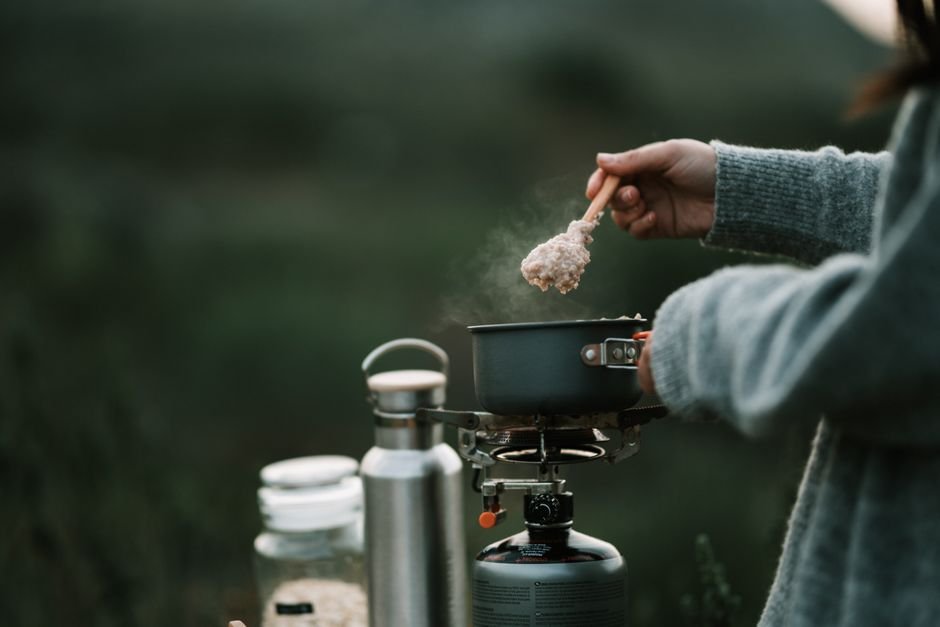
Let’s imagine you’re getting ready for an epic camping adventure. You’ve picked out your campsite, packed your gear, and now you need a trusty sidekick—the perfect camping stove. But wait! How do you choose the right one? Well, it all starts with understanding your camping style. Are you a solo explorer, a family adventurer, or maybe a group of friends looking to go all out in the great outdoors?
Think about how you like to camp—are you the type who loves car camping with the whole crew, or do you pack light for a backpacking excursion? Your camping style will dictate the stove you need. For group camping, go big with a freestanding stove! Backpackers, meanwhile, will want something small and lightweight. Don’t forget to consider the climate and how easy it is to find fuel—nothing spells disaster like a stove that won’t light on a chilly mountain morning.
Choose the Right Stove Type
Here’s the thing, not all stoves are created equal—and that’s a good thing! You’ve got options to match your style like a glove.
Tabletop Stoves: These little champs are perfect for car camping. They fit neatly on picnic tables or any other flat surface. If you’re camping with a small group or just a partner, this might be your go-to. Keep an eye on how the fuel attaches and make sure the stove isn’t a burden when packed.
Freestanding Stoves: Picture this: you’re in charge of feeding a hungry family or a wild group of friends. A freestanding stove, giant-sized, with its own legs, is your best bet. These are the superheroes of camping stoves, offering plenty of space and stability. Look for ones with top-notch leg strength and wind protection.
Backpacking Stoves: For the minimalist adventurers, backpacking stoves are all about being lightweight and compact. They excel at boiling water quickly, perfect for a morning coffee. Make sure your pots will sit snugly on top, though—stability is key when you’re in the rugged outdoors.
Decide on the Number of Burners
Okay, you’ve chosen the type, but how many burners do you really need? Are you a single-pot kind of camper, or do you dream of making a full, hearty meal in the wilderness?
A single burner is ideal if you’re focusing on quick, easy meals or just boiling water. If your camping menu is a bit more adventurous, with sides and mains to juggle, go for a two-burner stove. And for the ultimate camp chef experience, a three-burner stove could make you the envy of the campground. Just remember, three burners mean more weight and bulk, so weigh the pros and cons before committing.
Evaluate Heat Output Beyond BTUs
Now, let’s talk heat. BTUs are a common way to gauge a stove’s power, but don’t be dazzled by the numbers alone. We need to dig deeper into real-world performance.
Here’s the deal: A higher BTU typically means faster boiling times, but you need to consider wind protection and burner efficiency, too. A stove clocking in at 10,000 BTUs per burner is decent for your average camping cookout. For larger meals and big group cook-ups, you might eye ones around 20,000 BTUs or more. A good balance of heat and simmer control is the secret sauce to making campfire cuisine sensational.
Check Simmer Control
You know that feeling when you’re trying to cook the perfect pancake, but it’s all sizzle? That’s where simmer control comes in. You want a stove that can switch from boiling hot to barely a whisper of a flame. Smooth adjustments are a must if you want to avoid scorching your campsite gourmet.
Test or research the flame adjustments. Can it simmer without going out? Can you finesse both burners simultaneously? Bonus points if the controls are wieldy even when you’re wearing gloves. You don’t want to be fiddling with the settings while your campfire fajitas are burning.
Select the Right Fuel Type
Propane, butane, isobutane, liquid fuel, wood, and alcohol—the myriad fuel choices might have your head spinning. Let’s break them down:
Propane: It’s the most commonly used, and for good reason—it’s readily available and burns cleanly. But watch out if you’re heading into colder weather; propane can become uncooperative as temperatures drop.
Butane: A lighter cousin to propane, great for mild weather and short jaunts. Not so much for the frigid snowy peaks.
Isobutane Canisters: Ideal for backpacking with their clean and convenient profile. However, they too might sulk in cold weather, so look for a regulator that’s made for chillier conditions.
Liquid Fuel: Perfect for high altitudes and mind-numbingly cold conditions. Prepare for a little more maintenance and effort, but it’s worth the reliability.
Wood, Alcohol, Solid Fuel: If you like it old school, make sure these are allowed where you’re headed, as local regulations might frown on open flames or certain fuel types.
Prioritize Wind Resistance
Ever tried to cook outdoors on a blustery day? Without proper wind resistance, your gas flame doesn’t stand a chance! Recessed burners and integrated windscreens are your allies here.
Look for stoves that boast three-sided wind protection. You don’t want the wind sneaking around and spoiling your cookout fun. And remember, always keep a safe distance with ventilation—trapped heat can be a recipe for disaster.
Assess Stability and Cookware Compatibility
No one wants their steaming pot to tumble over. A stable stove is a safe stove, so assess how it holds up under your biggest pots and pans. Make sure the pot supports are wide enough to manage this without a hitch.
Consider a stove with non-slip feet, strong grates, and enough support to carry cast-iron pans, griddles, or even integrated cooking systems. Imagine your delicious stew pouring out onto the ground because your stovetop couldn’t handle the weight—not cool.
Examine Ignition and Controls
In this age of convenience, a matchless ignition feels like a no-brainer. A built-in piezo ignition system can have you cooking in a snap. But, have a backup plan; these can wear out or fail.
Safe, user-friendly controls are a must. They should be labeled clearly, easy to handle, and away from the fiery heat of the burners. Don’t forget that trusty manual lighter stashed in your pack—better safe than sorry!
Consider Weight and Packed Size
Whether you’re carting your gear to the campsite or stuffing it in a backpack, size and weight matter. A bulky stove can be a burden when you’re trying to trek up that hill or fit everything in the trunk.
Measure and weigh the options—literally. How will the stove travel? How much room will it take up in your camp kitchen? If you’re backpacking, you need a stove that’s almost featherweight, yet still a powerhouse when you need it.
Look for a Reliable Regulator
A good regulator makes your camping stove the MVP, ensuring consistent heat even when the outside says otherwise. They’re especially important for propane systems!
Be thorough; check that the fuel system is good to go for the temps you’ll encounter. A well-matched set of stove and regulator takes a lot of guesswork out of cooking outside.
Review Construction Quality and Maintenance
Your stove’s going to endure bumps, spills, and the general grime of the outdoors. It’s worth investing in something durable. Go for robust grates, solid hinges, and burn components that can handle a little roughing up.
Check if replacements are easily available should you face a mishap. Lucky for you, many stoves have quality warranties and manufacturer support you can rely on.
Check Safety Features
Safety first, because we want delightful camping trips, not disaster stories! Make sure your stove has clear safety instructions, stable legs, secure fuel connections, and a reliable shutoff valve.
Always follow safety guidelines, especially with gas stoves—carbon monoxide is no joke. Keep an eye out for instructive labels and visible warnings.
Compare Boil Time and Fuel Efficiency
Speed and fuel efficiency are a balancing act in the outdoors. A quick boil time can save you fuel, but evaluate under similar conditions to get a true measure.
Watch for efficiency across multiple tests, including windy and high-altitude scenarios. Fast doesn’t mean best if it can’t simmer or if it guzzles fuel.
Confirm Accessories and Cooking-System Compatibility
Finally, your new camping stove should feel like it belongs. Some models come with matching griddles, pots, or extras that can make the cooking experience even more seamless.
Verify that the extras are worth the space and weight they add to your pack. And, double-check that they’re truly compatible with your stove.
Click here to explore more options and find the perfect camping stove that fits your adventurous spirit and cooking dreams! Whether you’re cooking for two or feeding a crowd, the right stove will make all the difference.