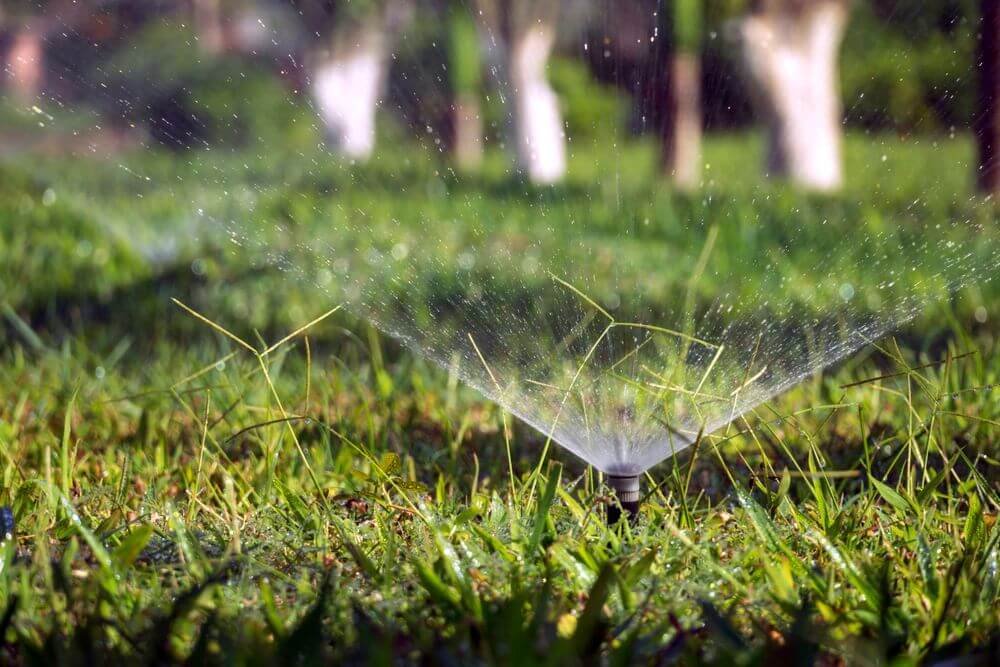
If you’re trying to keep a yard healthy without wasting water, irrigation planning stops being a minor home-improvement detail and starts affecting your monthly budget, curb appeal, and even property value. A good system does more than spray water on a schedule. It responds to soil, plant types, pressure levels, and seasonal shifts.
Efficiency Is About More Than New Sprinkler Heads
People often assume irrigation efficiency means replacing old hardware with newer nozzles. That can help, but performance depends on the whole system working as a coordinated network.
Pipe sizing, pressure regulation, valve condition, backflow protection, nozzle selection, and controller programming all influence water delivery. If one part is off, the rest of the system can’t compensate very well.
For example, high pressure can create misting instead of proper droplet distribution. On windy days, that fine mist drifts away before it reaches the root zone. In practical terms, you’re watering the air and the pavement.
When homeowners evaluate an irrigation company, it helps to look for strong knowledge of system design and diagnostics, not just installation speed. The real value often comes from identifying hidden inefficiencies that drive up long-term operating costs.
Watering Problems Usually Start Before You Notice Them
Most irrigation issues don’t begin with a dramatic pipe break. They start quietly with overspray onto sidewalks, mismatched sprinkler heads, compacted soil, or pressure that’s too high for the zone layout.
You might see one patch of grass turning brown and assume it needs more water. In many cases, it’s getting too much or too little because distribution uniformity is off. That means water isn’t landing evenly across the area.
A common example is a lawn with fixed spray heads on one side and rotors on the other. Their precipitation rates differ, so one section gets soaked while the other struggles. Over time, that imbalance leads to shallow roots, fungal pressure, and higher utility bills without improving plant health.
Your Landscape Needs Zones, Not One-Size-Fits-All Scheduling
A smart irrigation setup separates your yard into hydrozones. That sounds technical, but the idea is simple: plants with similar water needs should be watered together.
Grass, shrubs, annual beds, and trees rarely need the same runtime or frequency. If they share one valve, at least one area is being watered badly. Turf often wants short, measured cycles, while established trees benefit more from slow, deep soaking.
Sun exposure also changes the equation. South-facing areas heat up faster and lose moisture quickly. Shaded beds can stay wet longer than expected. If your controller treats the whole property the same, you’re paying for inefficient scheduling. Better zoning gives you tighter control and cuts back on runoff, root disease, and the constant urge to “just water everything a little more.”
Smart Controllers Help, but Only If the Setup Is Correct
Weather-based controllers and soil-moisture integrations have become much more common, and for good reason. They can reduce unnecessary watering by adjusting runtimes based on local conditions.
Still, a smart controller won’t fix poor zoning, blocked nozzles, leaking valves, or bad pressure. It’s more like a strong operating system sitting on weak hardware. You may get slightly better results, but not the full benefit.
If you’re upgrading controls, check whether the watering windows actually match the landscape. Clay-heavy soil, for instance, often does better with cycle-and-soak scheduling. That means shorter watering intervals with pauses in between so water can infiltrate instead of running off.
That sort of calibration matters more than the app interface on your phone. Convenience is useful. Correct programming saves money.
Seasonal Adjustments Matter More Than Most Homeowners Expect
A lot of waste happens because irrigation schedules stay frozen while the weather changes. What worked in late spring can be excessive by early fall, and summer heat may demand totally different runtimes than mild coastal weeks.
You don’t need to become a turf scientist, but you do need to think seasonally. Evapotranspiration rates shift with temperature, sun intensity, humidity, and wind. Your system should respond to those changes.
Winterization and spring startup deserve attention too. Freezing temperatures can crack components if lines aren’t properly cleared. In spring, a quick visual check isn’t enough. Heads may be tilted, seals worn, or valves sticking after months of inactivity.
Small maintenance steps each season usually cost less than emergency repairs during peak watering months, especially when outdoor water use is already pushing your utility bill upward.
Drainage and Irrigation Should Never Be Treated as Separate Conversations
One of the most overlooked landscaping mistakes is treating irrigation and drainage as unrelated systems. They affect each other constantly.
If your yard holds water after rain, adding more irrigation won’t solve stressed turf or dying shrubs. It may intensify root rot, mosquito activity, and soil instability. On the other side, a slope that sheds water too quickly may leave plants dry even when sprinklers run regularly.
This is where site grading, downspout discharge, French drains, and planting design start to overlap with irrigation planning. Water needs a path both into the soil and away from structures.
When you notice pooling near patios, foundation edges, or low lawn areas, it makes sense to evaluate the whole water-management picture instead of adjusting the timer again. Scheduling can’t overcome a drainage flaw built into the site.
The Cheapest Bid Often Becomes the Most Expensive Option
Irrigation work can look deceptively simple from the outside. Trenches get dug, heads pop up, water sprays, and the project seems finished. The expensive problems usually appear later.
Improper spacing creates dry spots. Low-grade components fail early. Valve boxes get buried too deep. Lateral lines end up vulnerable to root intrusion or shovel damage. A system that was cheap to install can become frustrating to maintain.
If you’re comparing contractors, ask how they assess pressure, map coverage, and account for plant maturity over time. A newly installed landscape won’t use water the same way in year three as it did on day one.
That long-view thinking separates basic installation from durable irrigation planning. You’re not only paying for materials. You’re paying for hydraulic judgment, serviceability, and fewer headaches once the landscape starts growing in.
A Better Irrigation System Changes How You Manage the Property
The biggest benefit of good irrigation isn’t just greener grass. It’s predictability. You spend less time reacting to brown patches, surprise leaks, soggy beds, and water bills that seem disconnected from reality.
A well-designed system gives you cleaner scheduling, healthier root development, and more confidence that each part of the yard is getting what it actually needs. That matters whether you’re maintaining a compact suburban lawn, a mixed ornamental landscape, or a larger property with several planting zones.
If you’re planning upgrades, think beyond visible hardware. Look at zoning logic, drainage behavior, seasonal calibration, and maintenance access. Those details shape performance more than flashy features do.
Once irrigation is treated as part of your property’s infrastructure instead of a background utility, your landscaping decisions get sharper, more efficient, and much easier to manage over time.