The name “Packard” shows up in some unexpected places — on vintage automobiles at classic car shows, on air conditioning parts at HVAC supply houses, and buried inside the history of one of Silicon Valley’s most recognized companies. So when someone asks whether Packard is going out of business, the honest answer is: it depends on which Packard you mean.
This article breaks down each entity that carries the Packard name, explains its current status, and walks through what actually happened to the original Packard Motor Car Company — including the business decisions that ended it.
There Is More Than One “Packard” — Here Is What Each One Refers To
Before anything else, it helps to understand that at least four distinct entities share or have shared the Packard name. They operate in completely different industries and have very different fates.
- Packard Motor Car Company — the original American luxury automaker, now long defunct
- The Packard automotive brand trademark — separately owned today by an entrepreneur with plans for a niche revival
- Packard (HVACR distributor) — an operating company based in Kennesaw, Georgia that supplies heating, cooling, and refrigeration parts
- Hewlett-Packard / HP Inc. — a major technology company that carries the Packard surname from its co-founder
Confusion is understandable. The name spans unrelated industries and time periods. Each section below addresses one of these entities directly.
Packard Motor Car Company Went Out of Business Decades Ago
If you searched this question because of an old car, the answer is straightforward: the Packard Motor Car Company closed a long time ago. It is not shutting down now — it already did.
Founded in the early 1900s, Packard was one of America’s premier luxury automakers. Alongside Pierce-Arrow and Peerless, it was part of what historians called the “Three P’s” of prestige vehicles. For decades, a Packard was the kind of car that signaled serious wealth and status.
That reputation began to erode, and the company never fully recovered. In 1954, Packard merged with Studebaker to form the Studebaker-Packard Corporation. The 1957 and 1958 model-year cars — often called “Packardbakers” because they were essentially Studebaker bodies with Packard styling — sold poorly and further damaged the brand. By 1959 to 1962, the Packard name had been phased out of both corporate and production use entirely.
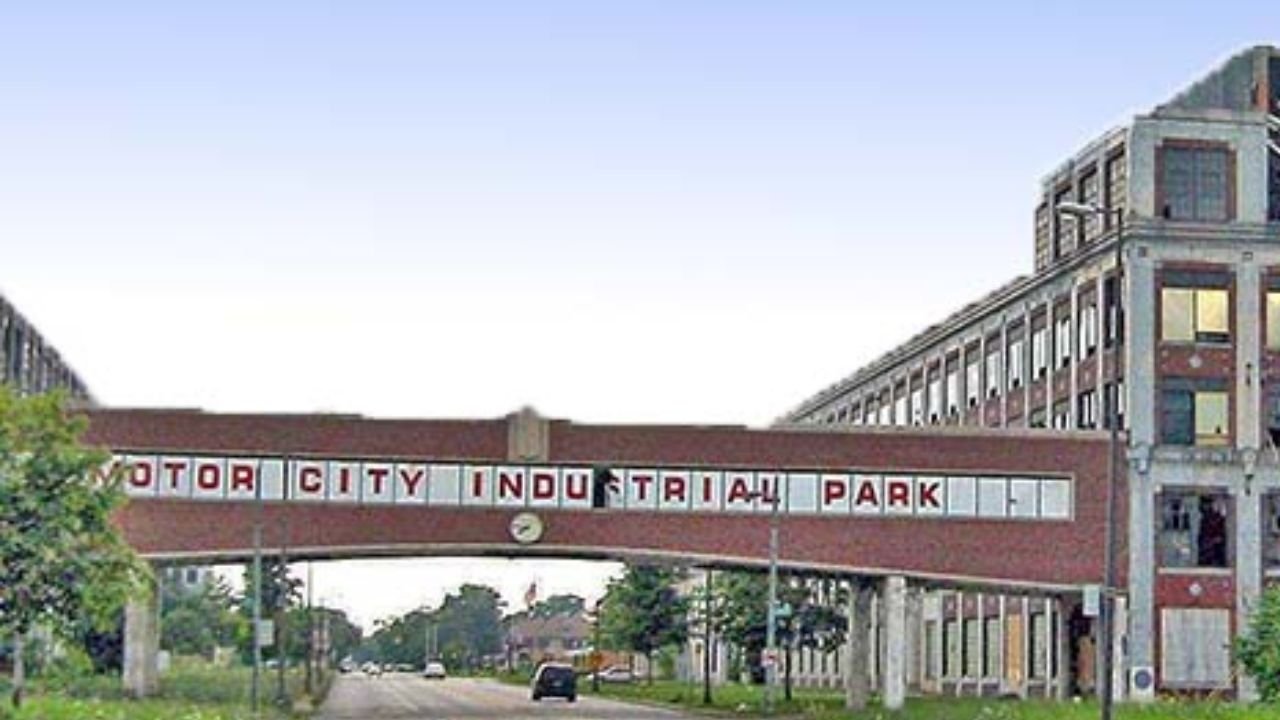
The final physical landmark of the company, the massive Packard Plant in Detroit, was seized by the city and demolished between 2022 and 2023. That demolition closed the last visible chapter of the original company’s existence.
Why Packard’s Automotive Business Failed — Three Compounding Mistakes
Packard’s collapse was not caused by one bad decision. It resulted from three compounding problems that fed into each other over several decades.
1. Brand Dilution in the 1930s
To survive the Great Depression, Packard introduced lower-priced models aimed at a broader market. The strategy worked in the short term — it kept the company alive — but it came at a steep cost. Buyers who had paid premium prices for exclusivity no longer felt Packard was exclusive. The brand’s luxury identity weakened, and it never fully recovered that positioning.
A useful comparison: imagine a high-end watchmaker that starts selling budget watches under the same brand name. Sales may increase, but the brand loses the one thing that made it worth paying for in the first place.
2. Failure to Keep Up With Technology
While Cadillac invested in advanced V8 engines and modern automatic transmissions, Packard fell behind. Automotive buyers in the postwar era had clear expectations around performance and convenience. Packard could not meet those expectations at the level Cadillac could, which made it increasingly difficult to justify premium pricing.
3. The Studebaker Merger as a Structural Liability
The 1954 merger with Studebaker was intended to give both companies more scale and resources to compete with General Motors, Ford, and Chrysler. Instead, Packard absorbed Studebaker’s significant debt and operational problems. The combined company lacked the capital needed to invest in competitive products, and the partnership that was meant to save both brands accelerated their decline.
These three failures reinforced each other. A diluted brand could not command premium prices. Limited pricing power meant limited investment. Limited investment made the merger seem necessary. And the merger itself became the final weight that sank both brands.
Who Owns the Packard Automotive Brand Today
The original company is gone, but the Packard name itself still exists as a trademark — and someone owns it.
Around 2019, an entrepreneur named Scott Andrews acquired the rights to the Packard name. According to reporting from Jalopnik, Andrews also reportedly acquired approximately 135,000 original Packard blueprints and design drawings. His stated intention is to produce a low-volume reproduction of a classic Packard Victoria using those original designs.
This is important context: this is a boutique, niche project. It is not a mass-market automaker. There is no scaled production facility turning out new Packard cars for general consumers. Think of it the way you might think of retired American brands like Pontiac or Saturn — the name can be owned and potentially reused, but owning the trademark does not mean a full manufacturing operation exists behind it.
As of available reporting, no major successor to the original Packard Motor Car Company exists. The original is gone. The brand name lives on in private hands, with limited revival intentions.
The Packard HVACR Distributor Is a Separate, Operating Business
If you came across the Packard name on an air conditioning motor, a capacitor, or a fan blade, you encountered a completely different company. This Packard is an HVACR (heating, ventilation, air conditioning, and refrigeration) parts distributor headquartered in Kennesaw, Georgia.
According to PitchBook data, this Packard was acquired on March 5, 2021, and continues to operate as a subsidiary under its acquiring company. There are no public indicators that this business is closing. In fact, an acquisition typically signals that a company holds operational value — buyers do not generally purchase businesses they intend to shut down immediately.
If you searched “Is Packard going out of business” after seeing the name on HVAC parts, this company appears to be ongoing. It has no connection to the automotive history described above.
What About Hewlett-Packard and HP Inc.?
Some readers may associate the name “Packard” with Hewlett-Packard, the technology company. The Packard in that name comes from David Packard, one of the two founders who started the company in a Palo Alto garage in 1939.
In 2015, Hewlett-Packard split into two separate public companies:
- HP Inc. — focused on personal computers and printers
- Hewlett Packard Enterprise (HPE) — focused on servers, networking, and enterprise technology
HP Inc. is not going out of business. The company reported $14.4 billion in net revenue for the first quarter of fiscal 2026 and held its annual shareholder meeting in April 2026. These are not the activities of a company in collapse. HP Inc. faces normal business pressures — including headwinds from trade regulations and memory chip costs — but it remains a large, active public company.
For anyone researching business topics more broadly, resources like Vision of Business offer practical context on how to read company financials and evaluate whether a business is actually in trouble.
How to Tell If a Company Is Actually Going Out of Business
One useful takeaway from the Packard question is understanding what signals actually indicate a company is failing, versus what is simply a change in ownership or structure.
- Production stops and plants close — This happened with Packard Motor Car. When no new cars are being made and facilities are shuttered, the business is ending.
- Brand is removed from corporate filings — Packard’s name was phased out of corporate use by the early 1960s. That is a clear marker of brand discontinuation.
- Acquisition does not mean shutdown — The HVAC Packard was acquired in 2021. Acquisition and closure are not the same thing. Many companies continue operating normally after being bought.
- Public financials tell the story — For public companies like HP Inc., quarterly earnings reports, SEC filings, and annual meetings provide concrete evidence of whether a business is active.
Final Summary: Which Packard Are You Asking About?
Here is a direct answer for each version of this question:
- Packard Motor Car Company: Already out of business. Production ended in the late 1950s, and the brand was dropped by the early 1960s. No recent shutdown — this happened decades ago.
- The Packard automotive brand: The trademark was acquired around 2019 by Scott Andrews. A small-scale revival of classic-style vehicles has been stated as the intention, but no large manufacturer is involved.
- Packard HVACR distributor: Operating as an acquired subsidiary. No public signs of closure.
- Hewlett-Packard / HP Inc.: Split into two companies
Also Read:
- Is Greenway Health Going Out Of Business?
- Is Geek Bar Going Out Of Business?
- Is U.S. Vision Going Out of Business?