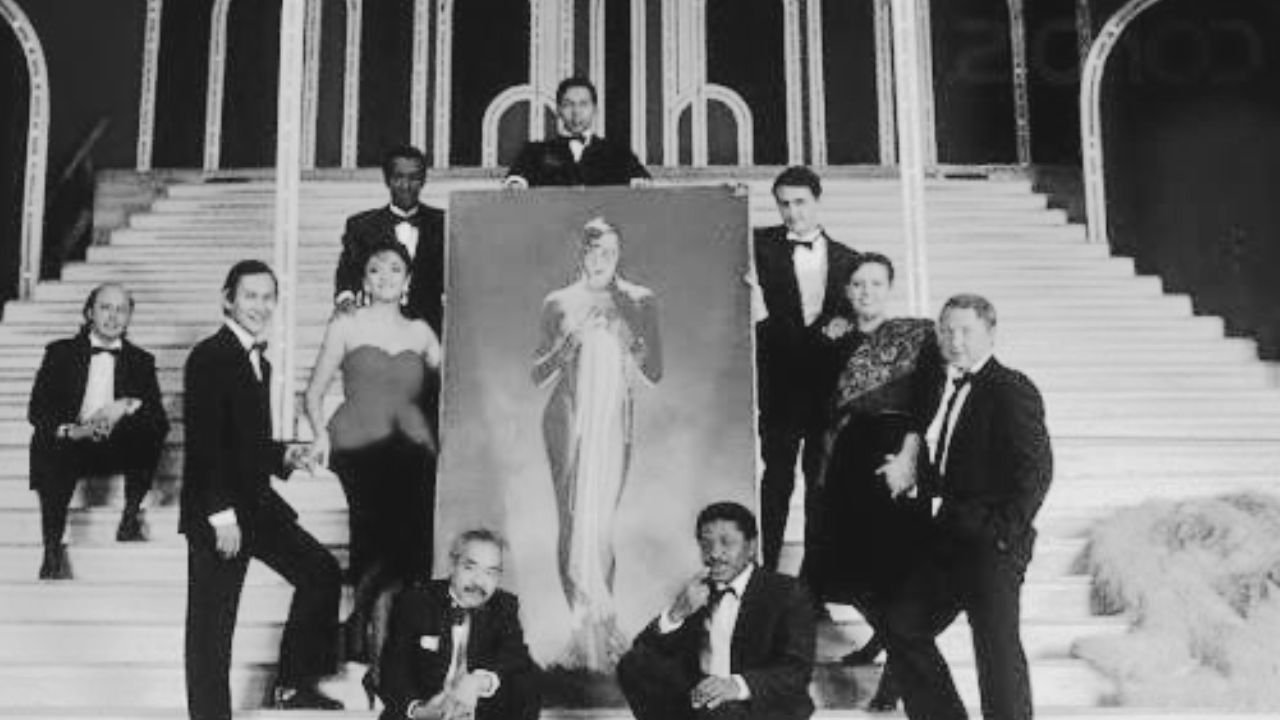
When you think of Josephine Baker, you likely picture an iconic singer and performer. Yet, her family life was equally impressive, filled with numerous adopted children from diverse backgrounds. Among them was Stellina Baker, the youngest daughter known for her unique story and heritage. She held particular significance within the “Rainbow Tribe,” Josephine Baker’s project to create a family representing different cultures and ethnicities. This effort was part of Baker’s vision to promote unity and understanding.
Early Life and Adoption
Stellina’s life began with hardship. Abandoned at birth in France, she was connected to Morocco through her biological origins. Her experiences remind you of the complexities adopted children often face, especially regarding identity and belonging. In 1964, Josephine Baker adopted her, welcoming her as the 12th and final child to join the Rainbow Tribe. Josephine aimed to create a living example of equality, and Stellina’s addition further enriched this cultural mosaic. Her adoption also highlighted Josephine’s commitment to providing a home to children from challenging circumstances.
Life with Josephine Baker
Living with Josephine Baker must have been as fascinating as it was demanding. Within the Rainbow Tribe, Stellina grew up surrounded by siblings from various backgrounds, each bringing their unique stories and cultures. The concept was to live as a single family, embracing differences while nurturing mutual respect and love. By 1975, Stellina was the only child still living permanently with Josephine, indicating a close relationship between them. In 1972, she resided with the Janes family while attending a convent school, which was part of her educational journey and likely shaped her development and perspective.
Inconsistencies in Birth Details
One challenge you may encounter when researching Stellina Baker is the inconsistent details regarding her birth. Some sources claim she was born in Morocco, while others state she was abandoned in France. These discrepancies often occur in historical narratives, especially when adoption and early life involve multiple countries and cultures. Despite these differences, her North African connection remains undisputed. Such inconsistencies highlight the nuanced realities adopted individuals often face regarding their origins and identities.
Life After Josephine Baker’s Passing
After Josephine Baker’s death in 1975, Stellina Baker’s life entered a period of relative obscurity. She maintained a low public profile, a choice that speaks to personal boundaries and privacy. There is limited verified information about her later life, as many sources do not elaborate on her whereabouts or pursuits after the 70s. This lack of documentation demonstrates the challenges historians and researchers face when personal lives are kept private. Stellina’s decision might have been to lead a life away from the public eye, valuing privacy over potential fame due to her familial connections.
Conclusion
Stellina Baker’s life story is a complex narrative of heritage, family, and privacy. As the youngest member of Josephine Baker’s Rainbow Tribe, she holds a distinct position in history, representing diversity not just within a family but across cultures and nations. While you may not find extensive information about her later life, her early years illustrate Josephine Baker’s commitment to multiculturalism and equality. Stellina’s life encourages you to reflect on identity, belonging, and the profound impact of adoption.
Further Resources
If you’re interested in exploring more about the Baker family and the unique concept of the Rainbow Tribe, several resources can provide deeper insights. You might start with biographies of Josephine Baker or scholarly articles focusing on adoption in multicultural families. Books and documentaries about Josephine Baker’s life offer broader perspectives. For those wanting a business-oriented look at legacy and heritage, Vision of Business can also provide helpful insights into maintaining a balance between public interaction and private life in entrepreneurial endeavors.
Also Read: