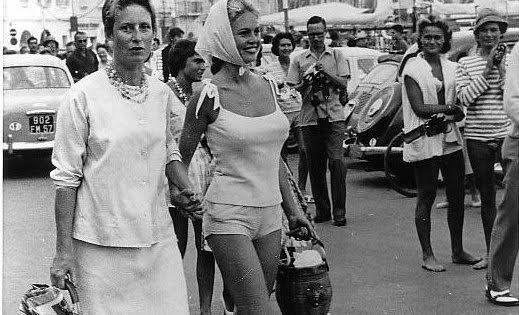
Anne-Marie Mucel stands as a fascinating figure, best recognized for her role as the mother of Brigitte Bardot, one of the iconic symbols of French cinema. Her own story, however, deserves attention. Encompassing her journey offers insights into the socio-cultural landscape of 20th-century France. Understanding her life, ambitions, and the impact she had on her family helps us appreciate the nuanced role she played in shaping a prominent cultural icon.
Early Life of Anne-Marie Mucel
Born on February 1, 1912, in Paris, Anne-Marie grew up in a middle-class household. Her parents, Isidore Mucel and Jeanne Grandval, provided a stable environment that nurtured her ambitions and creativity. The city was a melting pot of arts and fashion, likely providing inspiration for her dreams. Spending part of her youth in Milan, Anne-Marie absorbed the rich Italian culture, which left a lasting influence. This period in her life fueled her aspirations to explore dance and acting as potential career paths.
These ambitions, although substantial, had to find a balance with the societal expectations of the time. Women often struggled to pursue professional careers during this era, especially in the arts. Despite these societal pressures, Anne-Marie’s middle-class upbringing instilled a sense of resilience, which later manifested through her determination to support her daughter’s budding career. Her own experiences undoubtedly offered valuable lessons, which she passed on to Brigitte.
Marriage and Family
In 1933, Anne-Marie Mucel married Louis Bardot, entering into a union that would soon become the foundation for one of France’s most famous families. A year later, they welcomed their daughter, Brigitte Anne-Marie Bardot, into the world. Raising Brigitte in Paris, Anne-Marie’s guidance and encouragement played an essential role during her daughter’s early years. Anne-Marie understood the demands of the entertainment world, having harbored her own artistic dreams, and employed this understanding to nurture Brigitte’s talents.
Throughout her marriage, Anne-Marie balanced her ambitions while focusing on her family. Her support system within the family unit often allowed Brigitte to explore her abilities without reservations. Her experience also highlighted the importance of guiding young talent towards achieving their potential. This grounding helped Brigitte navigate the complexities of fame with inherent poise and sophistication.
Personal Aspirations and Interests
Anne-Marie had her own dreams and hopes of becoming a dancer and actress, which were quite challenging goals for women in her time. Her upbringing in a comfortable, middle-class environment enabled her to dream beyond conventional roles. While societal norms often restricted women from pursuing careers in performing arts, Anne-Marie held onto her aspirations and nurtured a love for dance and performance.
It’s essential to appreciate the influences of her formative years in Milan, a city known for its artistic heritage and avant-garde culture. This exposure must have imparted vital insights into performance artistry, adding depth to her aspirations. Although she didn’t achieve these goals for herself, the lessons learned became crucial in guiding her daughter. Anne-Marie offered Brigitte an example of perseverance and dedication, which Brigitte carried into her career.
Legacy and Historical Context
Anne-Marie Mucel’s legacy, though often overshadowed by her daughter’s fame, is significant in her role as a strong maternal figure. Her presence played a critical role in the development and success of Brigitte’s career. Through her support, Anne-Marie demonstrated the importance of a nurturing environment and unfaltering encouragement. Her contributions can be seen as shaping the experiences that led Brigitte to become an icon of the screen.
In the broader context, Anne-Marie represents the countless uncelebrated contributors behind famous personalities, showcasing how family dynamics, coupled with personal aspirations, can create environments that foster greatness. Her life illustrates the delicate balance between personal dreams and familial responsibilities, offering lessons on resilience and advocacy.
Anne-Marie’s legacy serves as a reminder that personal contributions don’t always manifest in public acknowledgment. The values and lessons imparted to the next generation often hold greater significance. Her life story becomes a testament to the many historical figures who have subtly but profoundly influenced cultural narratives.
Conclusion
Reflecting on Anne-Marie Mucel’s life provides a comprehensive view of an individual who played an instrumental role in shaping one of cinema’s most fascinating figures. A woman of quiet determination, she balanced her own aspirations with her duties as a mother. Highlighting her story helps us appreciate the layers behind public figures and the influence that strong familial ties and support systems have on individual success.
It’s important to set aside time to acknowledge and learn from figures like Anne-Marie, who possess rich narratives often hidden in the shadows of more famous personalities. Her journey also teaches us about the importance of nurturing talent, maintaining personal ambition, and transforming challenges into opportunities for future generations. Her legacy is a testament to the enduring impact of parental guidance and the quiet strength behind the spotlight.
For a detailed exploration of the connections between family influences and business principles, consider visiting Vision of Business. It offers insights into balancing personal and professional aspirations while fostering growth in one’s endeavors.
Also Read: